
At the Graphene Engineering Innovation Centre (GEIC), we provide access to high-end chemical vapour deposition equipment, specialist expertise and collaborative support to help industry realise technologies that depend on scalable 2D materials. We support projects across graphene and other 2D materials, from proof-of-principle development through to continuous production, device integration and commercialisation.
We offer a route from batch production of high-quality graphene for early-stage projects through to roll-to-roll atmospheric pressure CVD for continuous manufacture. Our facilities also support growth of other 2D materials such as hexagonal boron nitride and transition metal dichalcogenides, creating a clearer pathway from materials discovery to prototype device development and scale-up.
Alongside deposition, the GEIC supports integration into applications through device fabrication, academic collaboration, extra characterisation capability and supply chain development. Our team works collaboratively across the full value chain to help organisations de-risk development and accelerate commercial adoption of graphene and other 2D materials.
Graphene material production
Supporting proof-of-principle projects and early application development with high-quality CVD-grown graphene.
Our batch systems enable graphene production at 10 x 10 cm scale for projects that need high-quality material for evaluation, prototyping and device development, while also creating a route towards larger-scale manufacture.
Roll-to-roll CVD scale-up
Developing scalable graphene production through continuous atmospheric pressure CVD.
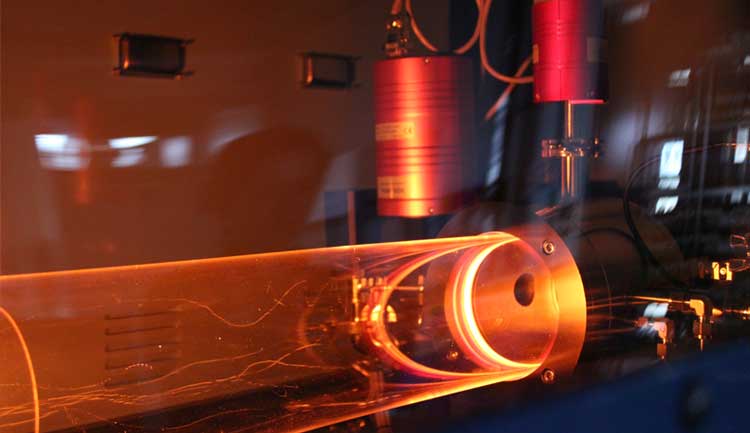
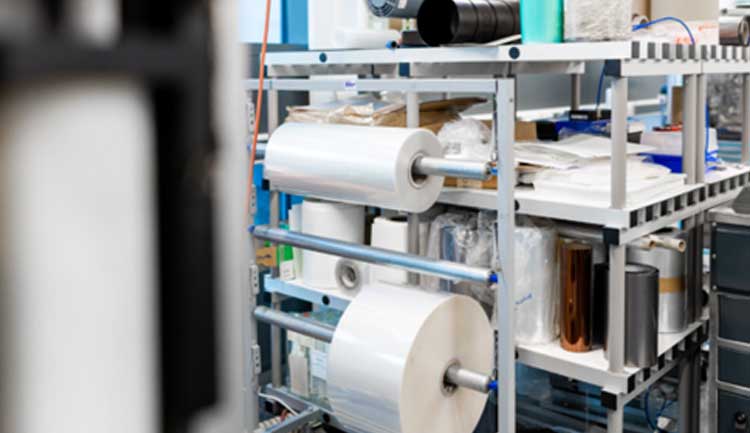
The Aixtron BM Neutron roll-to-roll CVD system supports growth on foils up to 15 cm wide, with continuous processing at around 5 metres per hour. This provides a practical route towards scale-up for organisations moving beyond batch deposition.
- Max foil width: 150 mm
- Max temperature: 1050°C
- Typical processing at metres per hour
MOCVD for 2D materials growth
Growing other advanced 2D materials for prototype development and next-generation device applications.
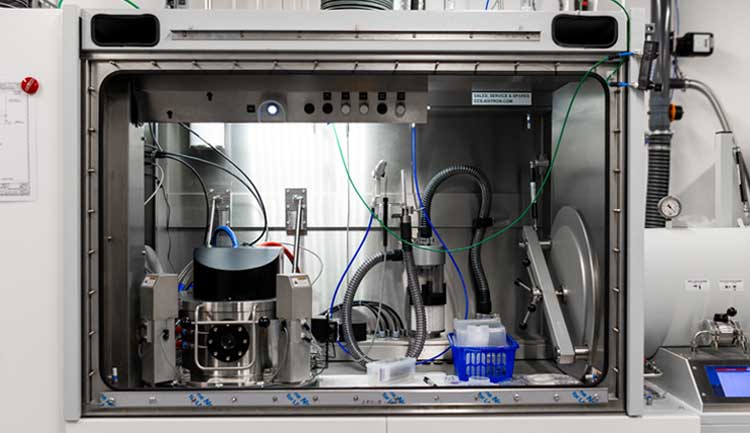
The Aixtron Novo MOCVD system supports growth of materials including hexagonal boron nitride, MoS2 and WS2 on up to 4-inch wafers, foils and other substrates. The system offers flexibility for direct growth on semiconductor materials and a clearer route to scale-up.
- Up to 4-inch wafer growth
- Independent top and bottom heaters up to 1100°C
- RF plasma source for cleaning and growth
Process development and integration
Helping organisations refine deposition conditions and integrate 2D materials into real applications.
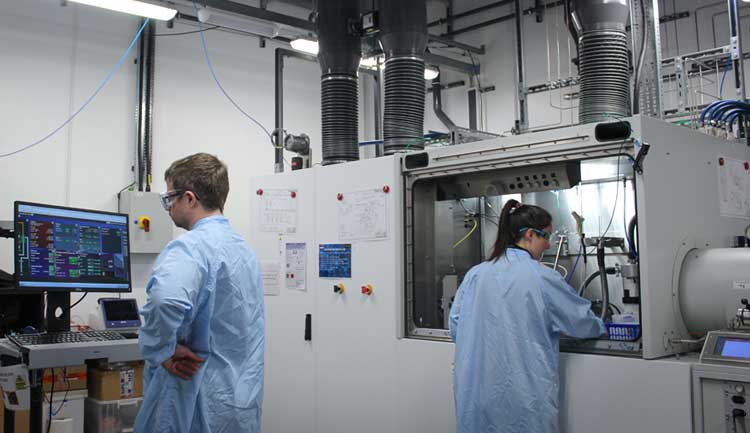
We support process development across deposition and integration, including work on lower-temperature growth routes, inline quality control and fabrication pathways for device-based technologies. This helps bridge the gap between advanced materials capability and manufacturable end-use products.
Device fabrication and commercialisation support
Supporting the route from deposited materials to prototype devices and industry-ready supply chains.
Through access to device production facilities, clean room capability, academic collaboration and additional characterisation techniques such as AFM, XPS and TEM, we help organisations move from materials development to functional demonstrators and commercial opportunities.


Produce high-quality graphene for proof-of-principle work and scale through continuous roll-to-roll CVD

Grow hBN, MoS2, WS2 and other 2D materials for prototype device development and scale-up studies

Support scalable manufacture through process optimisation and inline quality control approaches.
Connect materials growth to devices, characterisation and supply chain development for commercial applications.
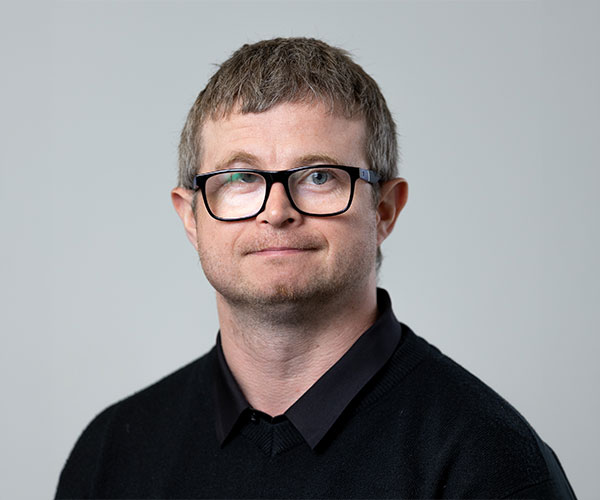
"We use our specialist equipment and expertise in the CVD graphene space to run collaborative projects that address all elements within a supply chain, as well as pull together contacts and companies to drive graphene commercialisation end-to-end. All of our team have experience working in industry and an understanding of what is required in a collaborative project to achieve the best outcomes."
Dr Andrew StrudwickApplication Manager